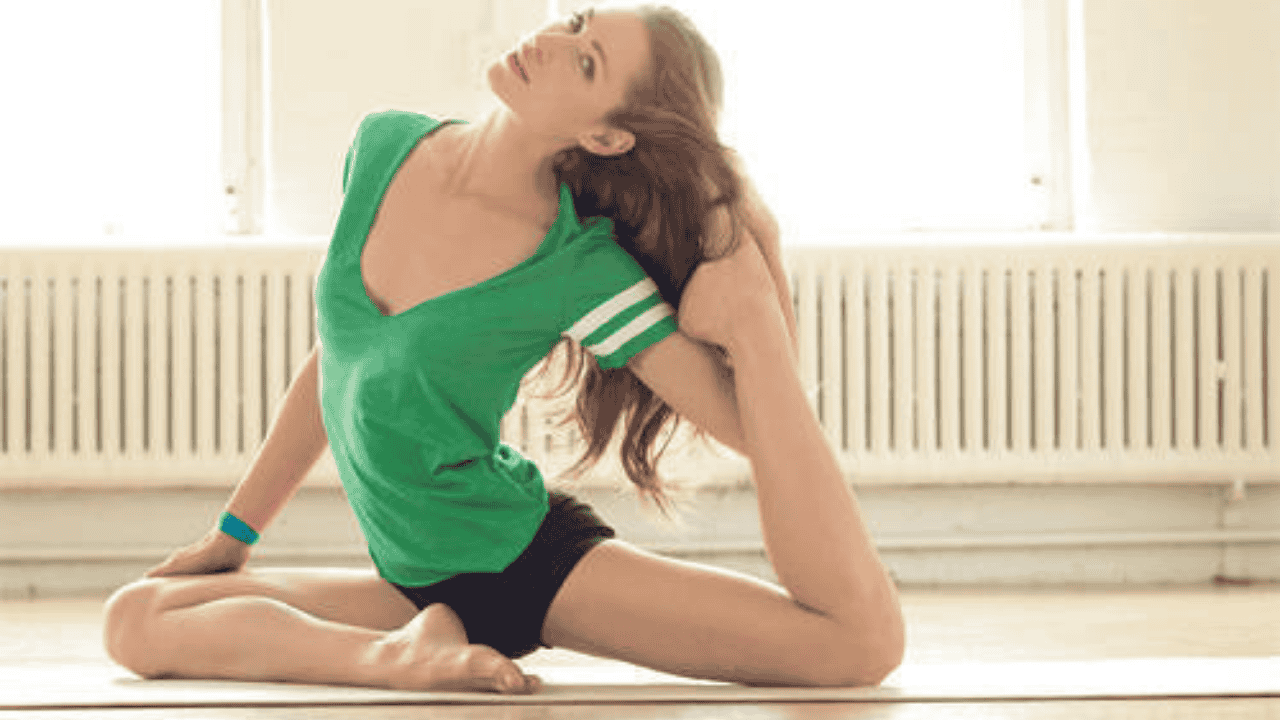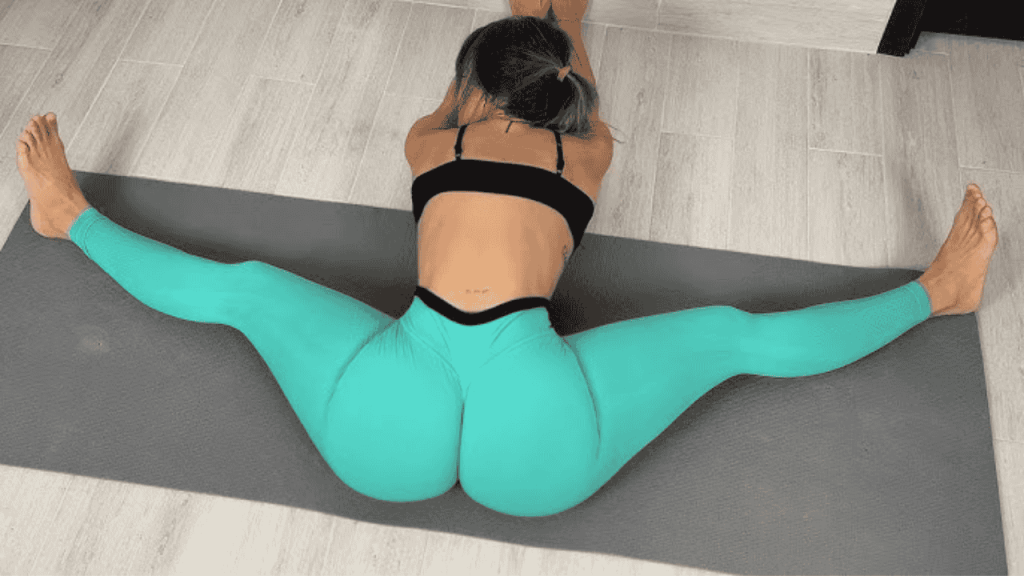
Hip stiffness has quietly become one of the most common lifestyle complaints today. Long hours of sitting, excessive screen time, stress, and lack of regular movement gradually reduce hip flexibility. Over time, even simple actions like walking, climbing stairs, or bending forward can feel uncomfortable. The good news is that yoga offers a safe, natural, and beginner-friendly solution.
These top 10 yoga poses to relieve hip stiffness and restore natural mobility are simple enough to practice at home without equipment. With consistent effort, you can improve flexibility, reduce discomfort, and move more freely in daily life.
Table of Contents
Why Healthy Hip Mobility Matters More Than You Think
The hips act as a central bridge between the upper and lower body. When hip joints become tight, the body compensates in other areas. This often leads to lower back pain, knee strain, poor posture, and reduced balance.
Good hip mobility supports smoother walking, better posture, improved athletic performance, and less joint stress. Flexible hips also enhance circulation and reduce muscular tension built up from prolonged sitting.
How Yoga Naturally Improves Hip Flexibility
Yoga works by combining controlled stretching, gentle strengthening, and mindful breathing. Instead of forcing flexibility, it gradually releases tight hip flexors, glutes, and inner thigh muscles. Slow breathing calms the nervous system, helping muscles relax more effectively.
With regular practice, yoga increases blood flow, improves joint lubrication, and restores natural movement patterns.
Top 10 Yoga Poses to Relieve Hip Stiffness
Butterfly Pose (Baddha Konasana)
Sit upright and bring the soles of your feet together. Let your knees fall naturally to the sides. This gentle pose stretches the inner thighs and improves blood flow to the hip area. Hold for 30 to 60 seconds with steady breathing.
Garland Pose (Malasana)
Squat with feet slightly apart and keep your chest lifted. This deep squat improves hip flexibility and strengthens the lower body. It is especially helpful for people who sit for long hours.
Pigeon Pose (Eka Pada Rajakapotasana)
Bring one leg forward bent at the knee and extend the other leg back. This pose deeply stretches the glutes and hip flexors. Move slowly and avoid forcing the stretch.
Lizard Pose (Utthan Pristhasana)
Step one foot forward into a low lunge and lower your hips toward the floor. This pose targets deeper hip muscles and improves balance and coordination.
Happy Baby Pose (Ananda Balasana)
Lie on your back, bend your knees, and hold the outer edges of your feet. Gently rock side to side. This relaxing posture releases hip tension and reduces lower back pressure.
Frog Pose (Mandukasana Variation)
Kneel and slowly widen your knees while keeping your feet aligned. This deep hip opener may feel intense initially but greatly improves flexibility over time.
Low Lunge (Anjaneyasana)
Step one foot forward and lower the back knee to the ground. Keep your chest open. This pose stretches tight hip flexors caused by prolonged sitting.
Cow Face Pose Legs Only (Gomukhasana Variation)
Sit and stack one knee over the other while keeping your spine straight. This posture helps release outer hip tightness and improves rotation.
Seated Forward Fold (Paschimottanasana)
Sit with legs extended and fold forward gently. Though it targets hamstrings, it also relaxes hips and the lower back when practiced mindfully.
Supine Spinal Twist
Lie on your back and drop one knee across your body. This gentle twist releases tension in the hips and spine and is perfect for ending a session.
Benefits of Regular Hip Opening Practice
Benefit How It Helps Daily Life
Reduced Lower Back Pain Less compensation from tight hips
Improved Posture Balanced muscle engagement
Better Walking Mechanics Smoother stride and joint movement
Enhanced Flexibility Greater range of motion
Stress Reduction Calmer nervous system
How Often Should You Practice
For noticeable results, practice these poses four to five times per week. Even 15 to 20 minutes daily can significantly improve hip mobility. Consistency is more important than intensity. Gentle repetition over time leads to lasting flexibility.
Safety Tips for Beginners
Always begin with a short warm up such as light stretching or slow walking. Never push into sharp pain. Mild discomfort is normal, but pain is a sign to ease off. Use cushions, yoga blocks, or folded towels for additional support. Focus on slow breathing to help muscles relax naturally.
If you have a serious hip injury, arthritis, or chronic pain, consult a healthcare professional before starting.
Who Can Benefit From These Poses
These yoga poses are suitable for office workers, seniors, athletes, beginners, and anyone experiencing hip tightness. Whether your stiffness comes from sitting all day or limited movement, these stretches can gradually restore comfort and flexibility.
Conclusion
Hip stiffness does not happen overnight, and improvement also takes time. However, with patience and regular practice, yoga can help restore natural mobility in a safe and sustainable way.
These poses are more than stretches. They reconnect you with your body, improve posture, reduce tension, and support long term joint health. By making hip opening yoga part of your weekly routine, you can move more freely, feel lighter, and protect your body from future discomfort.