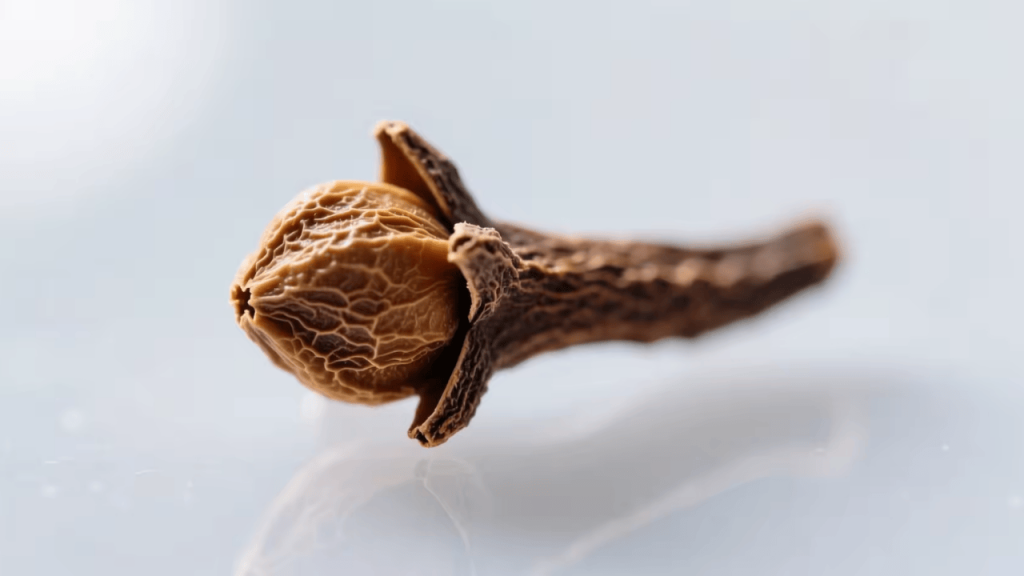
If you have been searching for “clover spice,” here is the truth that surprises most people: there is no such spice. The correct term is clove spice, one of the most aromatic and powerful spices used across global cuisines. While clover is a leafy plant commonly found in lawns, clove comes from the dried flower buds of the tropical evergreen tree Syzygium aromaticum.
Cloves are prized for their bold fragrance, warm flavor, and natural oil called eugenol, which gives them both culinary and medicinal value. Understanding the difference can completely change the way you shop, cook, and use spices in your kitchen.
Table of Contents
Overview Table: Clove Spice at a Glance
| Category | Details | Key Highlight |
|---|---|---|
| Botanical Source | Syzygium aromaticum tree | Dried flower buds |
| Flavor Profile | Warm, sweet, slightly bitter | Extremely concentrated |
| Main Active Compound | Eugenol | Provides aroma and mild numbing effect |
| Common Uses | Baking, curries, rice, beverages | Used in global cuisines |
| Available Forms | Whole and ground | Whole retains flavor longer |
| Shelf Life | Whole: up to 3 years | Ground fades faster |
What Exactly Is Clove Spice?
Cloves are small, nail-shaped dried flower buds measuring about one to two centimeters long. When harvested fresh, they are pink. After drying, they turn deep reddish-brown and develop a strong, distinctive aroma.
The name “clove” comes from the Latin word clavus, meaning nail, describing its shape perfectly. The spice’s power comes from eugenol, a natural essential oil that delivers both intense flavor and mild anesthetic properties.
Historically, cloves were once among the most valuable spices in the world. They were traded across continents and played a key role in early global spice routes.
Why Cloves Are So Powerful in Cooking
Clove is not a subtle spice. Even a small quantity can dominate a recipe. It is widely used in spice blends, festive baking, rice dishes, and warm beverages.
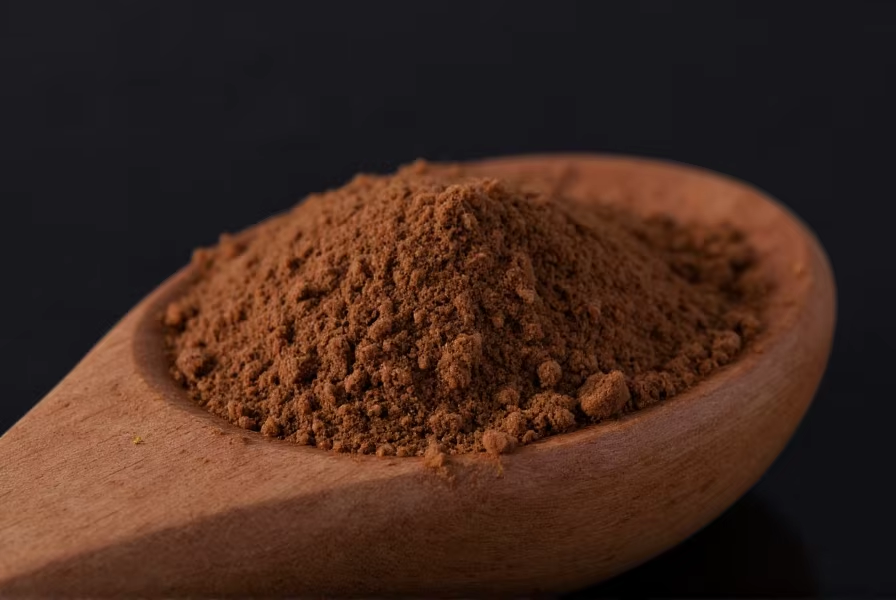
Whole cloves release flavor gradually and can be removed before serving, making them easier to control. Ground cloves are more concentrated and should be used sparingly. Just a small pinch can dramatically change the taste of cakes, cookies, or curries.
Freshness matters greatly. Whole cloves retain their aromatic oils much longer than ground cloves, which lose potency quickly when exposed to air and light.
Detailed Specifications and Usage Table
| Aspect | Description |
|---|---|
| Botanical Name | Syzygium aromaticum |
| Plant Type | Tropical evergreen tree |
| Primary Compound | Eugenol |
| Taste Profile | Warm, sweet, slightly peppery |
| Aroma Strength | Very strong |
| Culinary Uses | Curries, spice blends, baked goods, beverages |
| Medicinal Use | Temporary toothache relief |
| Best Storage | Airtight container in cool, dark place |
| Shelf Life (Whole) | Up to 3 years |
| Shelf Life (Ground) | 6–12 months for best flavor |
How to Identify High-Quality Cloves
Choosing high-quality cloves ensures better flavor and aroma.
| Quality Check | What to Look For |
|---|---|
| Color | Deep reddish-brown |
| Texture | Firm and dry |
| Snap Test | Should snap cleanly when bent |
| Oil Content | Slight oily residue when pressed |
| Aroma | Sharp, warm, slightly sweet fragrance |
Avoid cloves that look faded, grayish, or dusty, as they have likely lost their essential oils.
Proper Storage to Maintain Maximum Flavor
Storage plays a major role in preserving potency.
| Storage Method | Recommendation |
|---|---|
| Container Type | Airtight glass or metal container |
| Placement | Cool, dark pantry |
| Ground Cloves | Store tightly sealed; freezer optional |
| Moisture Exposure | Avoid completely |
| Light Exposure | Keep away from direct sunlight |
Whole cloves can maintain strong flavor for up to three years if stored correctly. Ground cloves should ideally be replaced within a year.
Common Clove Mistakes You Should Avoid
Many people accidentally overpower dishes by adding too much ground clove. Because it is highly concentrated, moderation is essential.
Another mistake is confusing clove with clover in herbal preparations. Clover does not contain eugenol and does not provide the same aroma or culinary benefits.
Using expired cloves can also affect flavor, sometimes adding bitterness instead of warmth.

Cloves and Toothache Relief
Cloves have long been used for temporary toothache relief. Placing a whole clove near the affected area or applying diluted clove oil may provide mild numbing due to eugenol. However, this is only short-term relief and should not replace professional dental care.
Conclusion
There is no such thing as clover spice. The correct spice is clove, a powerful dried flower bud packed with aromatic oils that enhance both sweet and savory dishes. When used correctly, stored properly, and added in moderation, cloves can transform ordinary recipes into richly flavored creations.
Frequently Asked Questions
Q: Is clover spice the same as clove spice?
A: No, clover and clove are completely different plants with entirely different uses.
Q: How long do whole cloves stay fresh?
A: Properly stored whole cloves can retain strong flavor for up to three years.
Q: Can cloves be used daily in cooking?
A: Yes, but only in small amounts because of their strong and concentrated flavor.